Why Your Child Needs a Flu Shot Every Fall
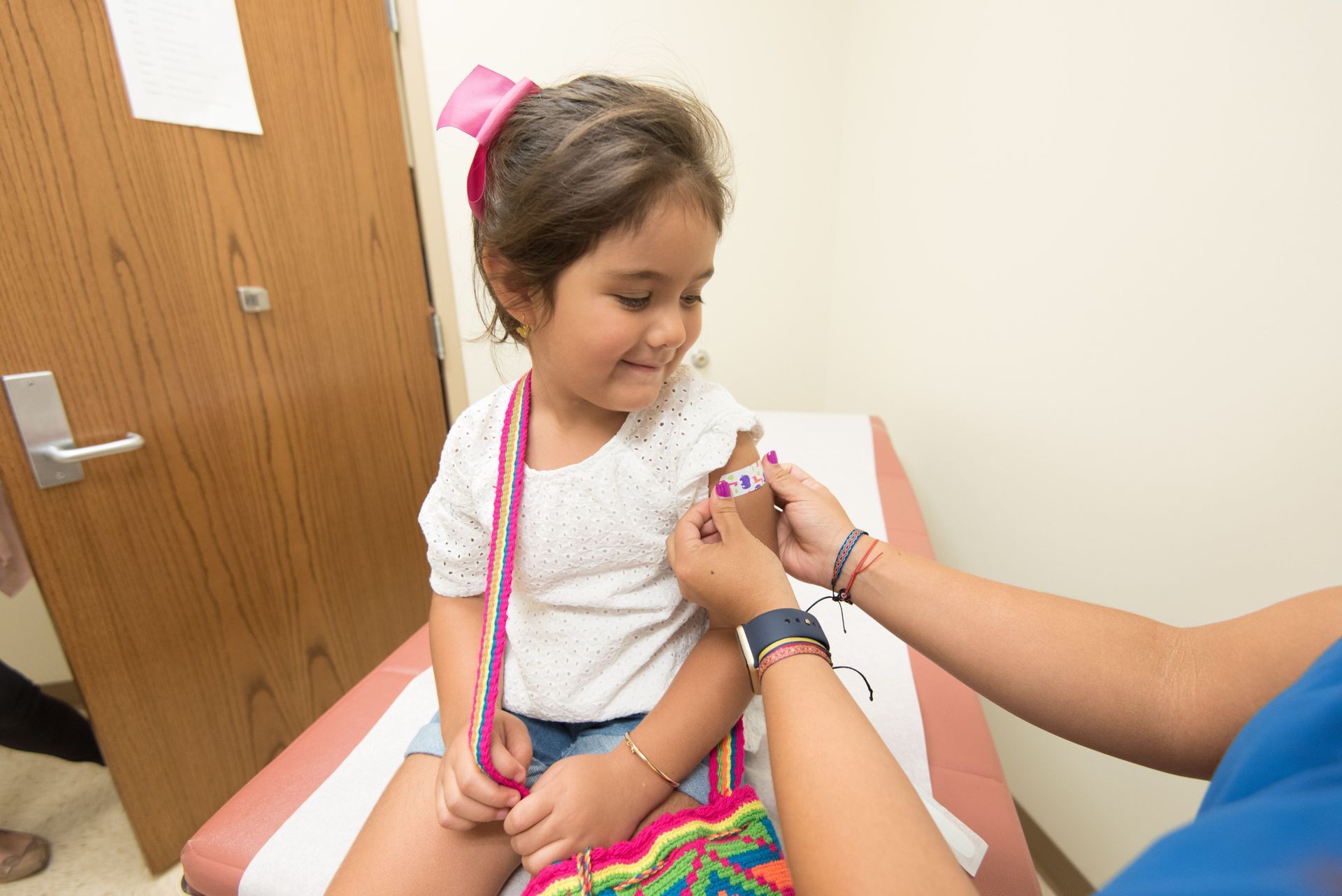
Every fall, parents ask us the same question: “Does my child really need another flu shot this year?” The answer is yes. The American Academy of Pediatrics (AAP) recommends a flu vaccine every year for all children 6 months and older. Here’s why it matters, what to expect, and how to get your child protected this season.
The Flu Is More Than a Bad Cold
Influenza is caused by a virus that affects the whole body, not just the nose and throat. Children with the flu often have a sudden fever, chills, headache, body aches, a dry cough, and extreme tiredness. Some also vomit or have diarrhea. Most kids feel worst during the first two or three days, and the illness can last a week or longer.
The flu can also lead to complications such as ear infections, sinus infections, and pneumonia. Last season was a severe one for children: the AAP reports 190 pediatric flu deaths during the 2025–2026 season, and about 85% of children who die from the flu have historically been unvaccinated.
Why Does My Child Need a New Vaccine Every Year?
Flu viruses change over time, and different types circulate from one season to the next. That’s why people can catch the flu many times in their lives, and why last year’s shot isn’t enough. A new vaccine is made each year to keep your child’s protection up to date.
Why Young Children Face Higher Risk
Any child can become seriously ill with the flu, including children who have always been healthy. But young children are especially vulnerable. The AAP considers the flu vaccine especially important for children 6 months to 5 years old, and children under 5, particularly those under 2, are at higher risk of complications. In fact, hospitalization rates for flu in young children are similar to those in older adults.
Young children can also stay contagious longer than older kids, and they easily pass the virus to siblings, parents, and grandparents. Babies younger than 6 months are too young for their own flu vaccine, so vaccinating everyone around them helps keep them safe.
Children of any age with chronic health conditions such as asthma, diabetes, heart, lung, or kidney disease, or a weakened immune system are also at higher risk and should be vaccinated every year.
Common Flu Shot Myths
Myth: The flu shot can give my child the flu.
Fact: The flu shot is made with an inactivated (killed) virus, so it cannot cause the flu. It takes about two weeks after the shot for the body to build protection, so a child exposed to the flu during that time may still get sick. Also, many children with flu-like symptoms during flu season actually have a different virus, not influenza.
Myth: My child is healthy, so they don’t need it.
Fact: Healthy children can and do become seriously ill from the flu. The vaccine is the best way to prevent influenza and its complications, and it helps protect family members and classmates, too.
Myth: My child got a flu shot last year, so they’re still covered.
Fact: Because flu viruses change, children need an updated vaccine every season.
What Side Effects Should I Expect?
The flu shot has few side effects. The most common are redness, soreness, or swelling where the shot was given, and fever.
Flu vaccines have been thoroughly studied, and the AAP affirms they are safe for children. Children with egg allergies can receive the flu vaccine with no extra steps. If your child has had an allergic reaction to a flu vaccine in the past, talk with us first.
Why Some Children Under 9 Need Two Doses
Children 6 months through 8 years old need two doses this season, given four weeks apart, if:
- This is their first time getting a flu vaccine, or
- They have received only one flu vaccine dose ever before July 1 of this year.
A child who has never been vaccinated against the flu needs two doses to build strong protection. If your child is 8 and turns 9 between doses, they should still get the second dose. Because the doses must be four weeks apart, it’s important to start as early as possible.
Schedule Your Child’s Flu Shot Today
The AAP recommends that children get their flu vaccine as soon as it’s available, ideally by the end of October, so they’re protected before flu spreads in our community. The flu shot can safely be given at the same visit as other recommended vaccines, so if your child already has an appointment coming up, ask us about adding it.
Kidfinity Pediatrics offers flu shots for children 6 months and older, with same-day, evening, and Saturday appointments available. Call our Glendale office at 623-462-1981 to schedule your child’s flu shot this fall. Protecting your child protects your whole family.
Sources:
- Influenza (Flu): What You Need to Know – Kidfinity Pediatrics
- Influenza—Child Care and Schools – Kidfinity Pediatrics
- AAP Flu Prevention & Treatment Recommendations for 2026-27 – HealthyChildren.org
- Which Flu Vaccine Should Children Get This Season? – HealthyChildren.org
- The Flu: What Parents Need to Know – HealthyChildren.org